

As-salāmu ʿalā man ittabaʿa al-hudā;
Updated 25 November 2026
This article has been updated with new material: a section quoting the classical Arabic dictionaries on the name Allāh.
Updated 25 November 2026
This article has been updated with new material: a section quoting the classical Arabic dictionaries on the name Allāh.
As-salāmu ʿalā man ittabaʿa al-hudā;
Christians who try to claim that the word Allah (Arabic: الله) is the name of the moon god are influenced by the writings of Dr. Robert Morey, who wrote as such in his book The Islamic Invasion, alleging that a statue at Hazor represents Allah. Regardless, they (and Dr. Morey included) are playing a silly game. It should be noted right from the start that the writings of Dr. Morey are nothing more than the thoughts of a mid-Western, creationist closet-fascist that were not originally intended for a wide audience.
Lane’s Lexicon defines the meaning of the word “Allah” as referring to “the only one true God”,1 and that should have been the end of the discussion:

The basic claim of this polemic is that the pre-Islamic Semitic world (not just Arabia) was the home to widespread worship of a moon god or goddess named “Allah”. The problem with such speculations about pre-Islamic deities, in this case, is the fact that any inscription prior to the advent of Islam is also prior to the introduction of diacritical marks in the Semitic languages.
Why is this a problem?
Well, if one claims to have found evidence of a moon god named “Allah” in Palestine, Syria, or Lebanon, this claim applies to the respective deities of both Christianity and Islam.
The Moon God claim hurts the Bible
The first time the word “God” appears in the Bible, it is in Genesis 1:1, when it states:
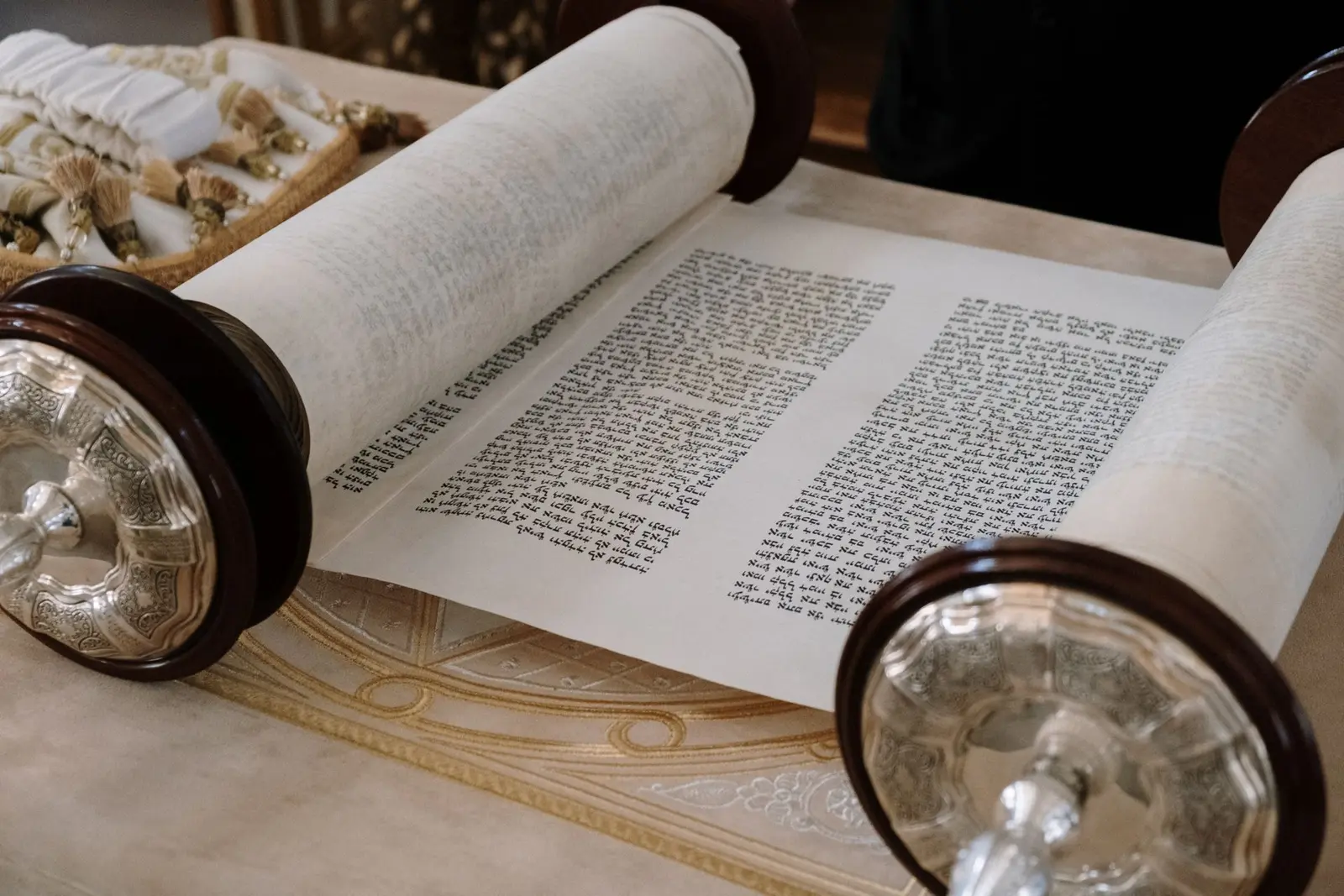
בְּרֵאשִׁית בָּרָא אֱלֹהִים אֵת הַשָּׁמַיִם וְאֵת הָאָרֶץ
B’reshit bara ELOHIM et ha-shama’im, V’et ha-arets.
In the beginning, God created the heavens and the earth.
This word אֱלֹהִים (Elohim) is a plural forum of a more basic root-word for God, which is אלה (eloh).
However, if one were to find the word eloh (alef-lamed-heh) in an inscription written in paleo-Hebrew, Aramaic, or some sort of Nabatean script, it could be pronounced numerous ways without the diacritical marks to guide the reader. This letter combination (which can be pronounced alah) is the root for the verb “to swear” or “to take an oath,” as well as the verb “to deify” or “to worship”, as can be seen as follows:2

“Moon God” in the Aramaic language?
One of the basic Hebrew words for God, eloh, can easily be pronounced alah without the diacritical marks. Not surprisingly, the Aramaic word for God3 is (alah). This word, in the standard script  or the Estrangela script
 is spelled alap-lamad-heh (ALH), which are the exact corresponding letters to the Hebrew eloh.
The Aramaic is closely related to the more ancient root word for God, eel.4 The Arabic word for God, Allah is spelled in a very similar way, and is remotely related to the more generic word for “deity”: اله (ilah).
The following entry from the B-D-B demonstrates what has been discussed above5:


Interestingly enough, there is proof from various Christian sources that clearly demonstrates the above.7

What the classical lexicons say about the name Allāh
Lane is not alone. Every classical dictionary of Arabic explains the name from the root of worship, and none of them from the moon. Ibn Fāris gives the root:
الهمزة واللام والهاء أصل واحد، وهو التعبد. فالإله الله تعالى، وسمي بذلك لأنه معبود. ويقال: تأله الرجل: إذا تعبد.
Hamzah, lām and hāʾ: a single root, and it is worship. Al-ilāh is Allah the Exalted, so called because He is worshipped. One says taʾallaha al-rajul when the man devoted himself to worship.
Ibn Fāris, Maqāyīs al-Lugha, أ ل ه
Al-Jawharī shows how the name is formed:9
ومنه قولنا ” الله ” وأصله إلاه على فعال، بمعنى مفعول، لانه مألوه أي معبود، كقولنا: إمام فعال بمعنى مفعول، لانه مؤتم به، فلما أدخلت عليه الالف واللام حذفت الهمزة تخفيفا لكثرته في الكلام.
From it comes our saying “Allāh“. Its origin is ilāh, on the pattern fiʿāl in the sense of mafʿūl, because He is maʾlūh, that is, worshipped, as we say imām, on the pattern fiʿāl in the sense of mafʿūl, because he is followed. When the alif and lām were added to it, the hamzah was dropped to lighten it, since the word is said so often.
al-Jawharī, Tāj al-Lugha wa Ṣiḥāḥ al-ʿArabīya, أ ل ه
Al-Rāghib al-Iṣfahānī adds what the pagan Arabs did with the word:10
الله: قيل: أصله إله فحذفت همزته، وأدخل عليها الألف واللام، فخص بالباري تعالى، ولتخصصه به قال تعالى: هل تعلم له سميا [مريم/ 65] . وإله جعلوه اسما لكل معبود لهم، وكذا اللات، وسموا الشمس إلاهة لاتخاذهم إياها معبودا.
Allāh: it is said that its origin is ilāh; its hamzah was dropped and the alif and lām were added to it, and so it was made particular to the Creator, exalted is He. Because it is His alone, He said: “Knowest thou of any who is worthy of the same name as He?” [Maryam 19:65]. Ilāh they made a name for everything they worshipped, and likewise al-Lāt; and they called the sun ilāhah because they took it as an object of worship.
al-Rāghib al-Iṣfahānī, al-Mufradāt fī Gharīb al-Qurʾān, أ ل ه
The dictionaries settle the matter at the level of the word itself. Ilāh means one who is worshipped, and Allāh is al-ilāh, the One who is worshipped, made a proper name of the Creator. When the pagans gave the word to a heavenly body, the lexicographers record it of the sun, and they explain even that use by worship, never by the sky. No classical authority derives the name of God from the moon, whose Arabic names are qamar and hilāl, from other roots entirely. Morey’s “moon god” is absent from the Arabic language.
What the classical lexicons say about the name Allāh
Lane is not alone. Every classical dictionary of Arabic explains the name from the root of worship, and none of them from the moon. Ibn Fāris gives the root:
الهمزة واللام والهاء أصل واحد، وهو التعبد. فالإله الله تعالى، وسمي بذلك لأنه معبود. ويقال: تأله الرجل: إذا تعبد.
Hamzah, lām and hāʾ: a single root, and it is worship. Al-ilāh is Allah the Exalted, so called because He is worshipped. One says taʾallaha al-rajul when the man devoted himself to worship.
Ibn Fāris, Maqāyīs al-Lugha, أ ل ه
Al-Jawharī shows how the name is formed:12
ومنه قولنا ” الله ” وأصله إلاه على فعال، بمعنى مفعول، لانه مألوه أي معبود، كقولنا: إمام فعال بمعنى مفعول، لانه مؤتم به، فلما أدخلت عليه الالف واللام حذفت الهمزة تخفيفا لكثرته في الكلام.
From it comes our saying “Allāh“. Its origin is ilāh, on the pattern fiʿāl in the sense of mafʿūl, because He is maʾlūh, that is, worshipped, as we say imām, on the pattern fiʿāl in the sense of mafʿūl, because he is followed. When the alif and lām were added to it, the hamzah was dropped to lighten it, since the word is said so often.
al-Jawharī, Tāj al-Lugha wa Ṣiḥāḥ al-ʿArabīya, أ ل ه
Al-Rāghib al-Iṣfahānī adds what the pagan Arabs did with the word:13
الله: قيل: أصله إله فحذفت همزته، وأدخل عليها الألف واللام، فخص بالباري تعالى، ولتخصصه به قال تعالى: هل تعلم له سميا [مريم/ 65] . وإله جعلوه اسما لكل معبود لهم، وكذا اللات، وسموا الشمس إلاهة لاتخاذهم إياها معبودا.
Allāh: it is said that its origin is ilāh; its hamzah was dropped and the alif and lām were added to it, and so it was made particular to the Creator, exalted is He. Because it is His alone, He said: “Knowest thou of any who is worthy of the same name as He?” [Maryam 19:65]. Ilāh they made a name for everything they worshipped, and likewise al-Lāt; and they called the sun ilāhah because they took it as an object of worship.
al-Rāghib al-Iṣfahānī, al-Mufradāt fī Gharīb al-Qurʾān, أ ل ه
The dictionaries settle the matter at the level of the word itself. Ilāh means one who is worshipped, and Allāh is al-ilāh, the One who is worshipped, made a proper name of the Creator. When the pagans gave the word to a heavenly body, the lexicographers record it of the sun, and they explain even that use by worship, never by the sky. No classical authority derives the name of God from the moon, whose Arabic names are qamar and hilāl, from other roots entirely. Morey’s “moon god” is absent from the Arabic language.
Conclusions
If monolingual tri-theists want to claim that Allah/Alah was the name of a tribal moon god and that worship of such a deity is a gross pagan practice, they should throw their Bibles into the dustbin for including this deity in its text. They should also repudiate Jesus for calling on a version of this deity while on the cross (as per the Biblical account).
A philosophical thinker was reported to have once said of the Christians that they are reformed Jews and do not even know it. Indeed, much of Christianity finds its roots in the Semitic world, yet the believers of this religion are notorious for their interpretations of the faith in a European worldview.
This is the reason they would actually try to find fault with a religion that acknowledges the existence of the exact same God they do; this is the reason they would erroneously claim that Eloh, Alah, and Allah are different Gods.
In giving his conclusions on the issue, the Bible scholar and missionary Rick Brown admit that:
Those who claim that Allah is a pagan deity, most notably the moon god, often base their claims on the fact that a symbol of the crescent moon adorns the tops of many mosques and is widely used as a symbol of Islam. It is, in fact, true that before the coming of Islam many “gods” and idols were worshipped in the Middle East, but the name of the moon god was Sîn, not Allah, and he was not particularly popular in Arabia, the birthplace of Islam.14
Michael Abd El Massih, the director of Arabic Bible Outreach, echoes the same point and asserts that:
It is an unproven theory, so it may well be false. Even if it turns out to be true, it has little bearing on the Muslim faith since Muslims do not worship a moon god. That would be blasphemy in Islamic teachings. If we use the moon-god theory to discredit Islam, we discredit the Christian Arabic speaking churches and missions throughout the Middle East. This point should not be discounted lightly because the word Allah is found in millions of Arabic Bibles and other Arabic Christian materials.15
The question of why Islam adopted the crescent moon as its symbol, or why it uses the lunar calendar, is addressed in our companion article What is the Significance of the Crescent Moon in Islam?
And certainly, only God knows best!
Notes
- Edward William Lane, An Arabic-English Lexicon (London: Willams & Norgate, 1863), under the entry “Allah” (Ar.) [⤶]
- Milon Ben-Y’hudaah, Ivri-Angli (Ben Yehuda’s Hebrew-English Dictionary), under ALEF LAMED HEH (ALH) [⤶]
- According to the Lexicon offered at http://www.peshitta.org. [⤶]
- According to Robert Oshana’s Online Introduction to Basic Assyrian Aramaic, which is at http://learnassyrian.com/. [⤶]
- Strong’s H433 entry / Gesenius’ Hebrew-Chaldee Lexicon, retrieved from https://www.blueletterbible.org/lang/lexicon/lexicon.cfm?Strongs=H0433&Version=KJV [⤶]
- ibid. [⤶]
- W.E. Vine, Merrill F. Unger, William White Jr., Vine’s Complete Exposition Dictionary, Thomas Nelson Publishers, Nashville, TN, 1996 [⤶]
- Ibn Fāris (d. 1004), Maqāyīs al-Lugha, root أ ل ه, at arabiclexicon.hawramani.com. The translation is ours. [⤶]
- al-Jawharī (d. 1003), Tāj al-Lugha wa Ṣiḥāḥ al-ʿArabīya, root أ ل ه, at arabiclexicon.hawramani.com. The translation is ours. [⤶]
- al-Rāghib al-Iṣfahānī (d. c. 1109), al-Mufradāt fī Gharīb al-Qurʾān, root أ ل ه, at arabiclexicon.hawramani.com. The translation is ours. [⤶]
- Rick Brown, Who Is “Allah”?, International Journal of Frontier Missions 23:2 (Summer 2006), p. 79 [⤶]
- Michael Abd El Massih, “The word Allah and Islam”, in Arabic Bible Outreach Ministries [online document] [⤶]
Leave a Reply