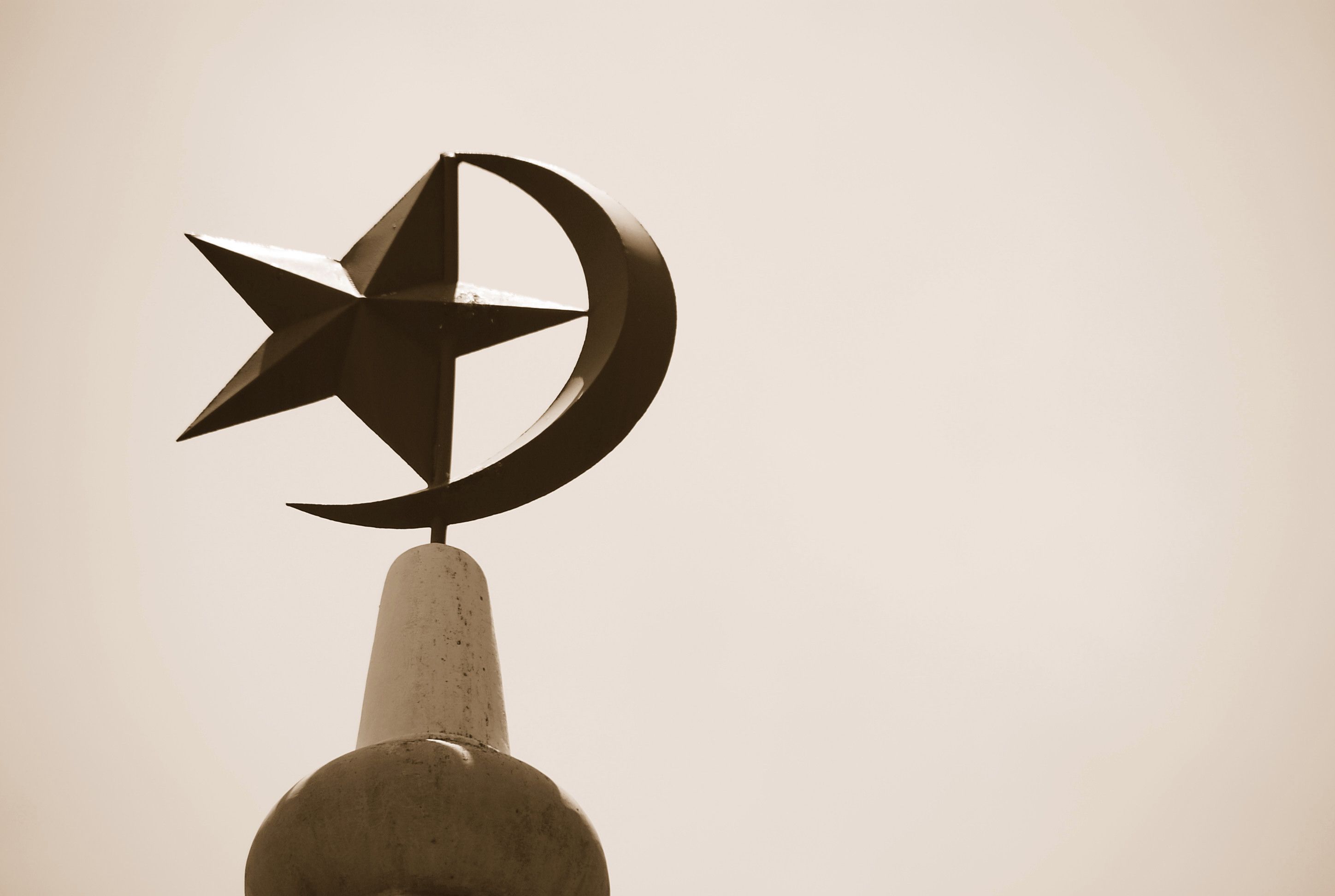
Apart from the claim that “Allah” is the name of the moon god, the Christian missionaries also tend assert this claim by questioning why do Muslims use the crescent symbol as a symbol for their religion, or why is the moon being used in Islam to mark a new month. They engage into the logical fallacy of equivocation, that since Muslims use the crescent as the symbol of Islam, therefore it follows that Muslims worship some kind of “moon deity”. This is no more truer than claiming that since Judaism adopts the Star of David symbol, it follows that the Jews considers it as an object for worship, or that Christians worship the Crucifix since it is used as its symbol. This paper would attempt to explain the significance of the moon in Islam, insha’allah.
This study dismantles the al-zuṭṭ hadith polemic through close reading, lexicography, and narrative control. By restoring context to yarkabūn, examining transmission variants, and comparing Semitic parallels, it shows how innuendo translation exploits polysemy, suppresses closure, and manufactures scandal without historical warrant within disciplined philology and sober methodological limits alone here
Early Christianity lacked a single, unified theology. This article shows how later “orthodoxy” emerged through historical consolidation rather than original consensus.
The death of Muhammad ﷺ examined through Qur’anic language, hadith context, and history, exposing how poison claims rely on misreading sources.