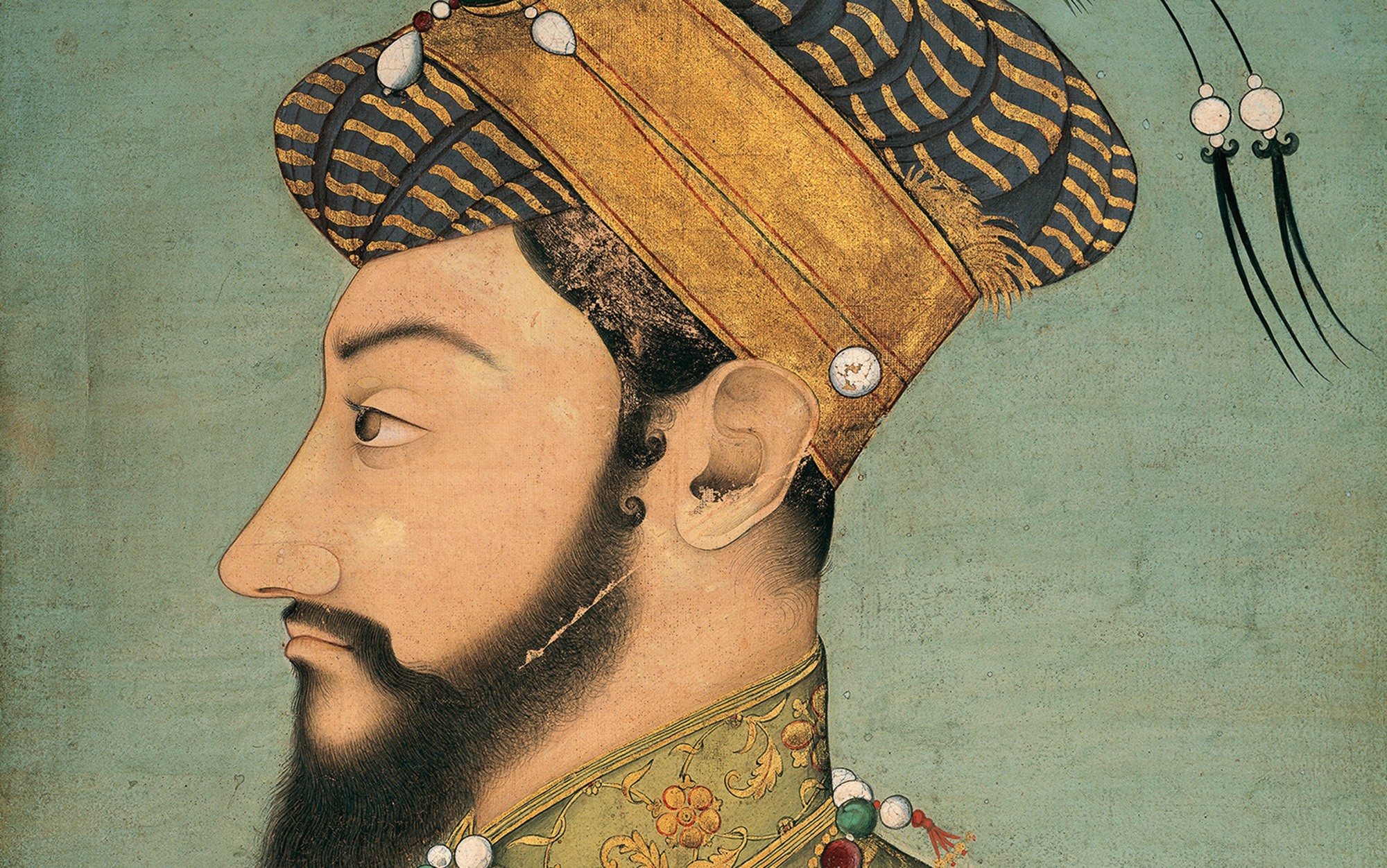
Of all the Muslim rulers who ruled vast territories of India from 712 to 1857CE, probably no one has received as much condemnation from Western and Hindu writers as Aurangzeb. He has been castigated as a religious Muslim who was anti-Hindu, who taxed them, who tried to convert them, who discriminated against them in awarding high administrative positions, and who interfered in their religious matters. This view has been heavily promoted in the government approved textbooks in schools and colleges across post-partition India (i.e., after 1947). These are fabrications against one of the best rulers of India who was pious, scholarly, saintly, unbiased, liberal, magnanimous, tolerant, competent, and far-sighted.
This study dismantles the al-zuṭṭ hadith polemic through close reading, lexicography, and narrative control. By restoring context to yarkabūn, examining transmission variants, and comparing Semitic parallels, it shows how innuendo translation exploits polysemy, suppresses closure, and manufactures scandal without historical warrant within disciplined philology and sober methodological limits alone here
Early Christianity lacked a single, unified theology. This article shows how later “orthodoxy” emerged through historical consolidation rather than original consensus.
The death of Muhammad ﷺ examined through Qur’anic language, hadith context, and history, exposing how poison claims rely on misreading sources.