Skip to content
Bismika Allahuma
Muslim Responses to Anti-Islam Polemics
Islam
Op-Ed
Introducing Islam
Women In Islam
Allah (God)
Muhammad
Qur’an
Textual Integrity
Qur’anic Studies
Qur’an Manuscripts
Miraculous Features
Refutation of Qur’an Contradictions
Internal “Errors”
External “Errors”
Sources of the Quran
Qur’anic Commentary
Hadith
Hadith Exegesis
Christianity
Paul of Tarsus
Christian Doctrines
Jesus
Bible
Textual Integrity
Contradictions In The Bible
Internal Contradictions Of The Bible
External Contradictions Of The Bible
Sources of the Bible
Biblical Commentary
Polemical Rebuttals
Christian Deception
Book Reviews
History
Makkah
Jerusalem
Jews of Arabia
Search for articles...
Press ESC to close
Menu
Bismika Allahuma
Home
›
India
Tag: India
History
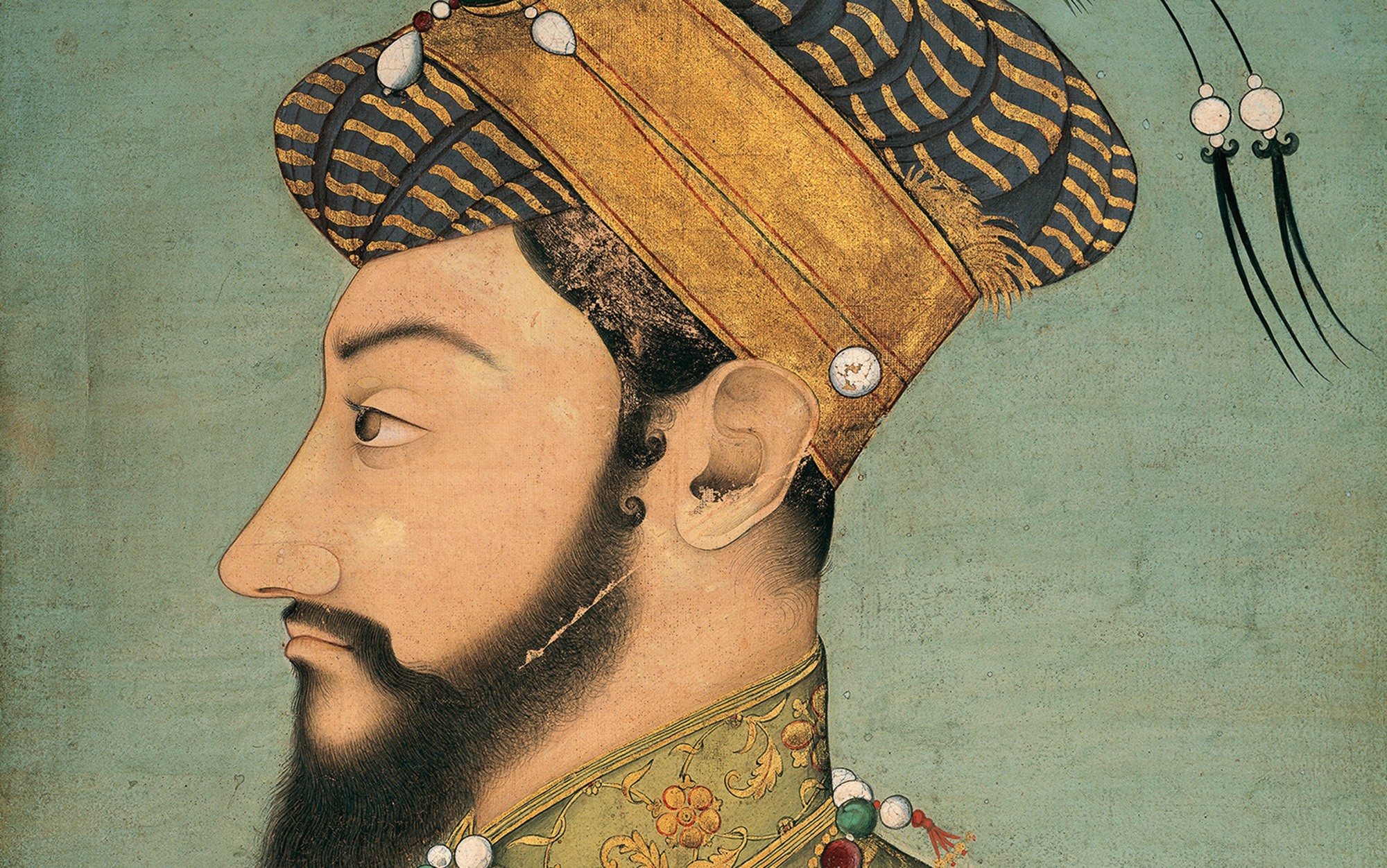
Mughal Emperor Aurangzeb: Bad Ruler Or Bad History?
Habib Siddiqui
January 4, 2007