Tag : Egypt

Response To​“Muham­mad as Al-Amin (the Trust­wor­thy): How His Ene­mies Real­ly Viewed Him” And The Chris­t­ian Missionaries

It has become a habit for some to pub­lish respons­es to any paper deal­ing with the issue of Islam, its truth­ful­ness and the false­hood of oth­er reli­gions. This is par­tic­u­lar­ly true of the Chris­t­ian mis­sion­ar­ies as such peo­ple do not care whether they pro­vide an effi­cient respons­es or not ; all they care about is to respond, regard­less of the out­come. Is this reac­tion an idi­ot­ic one ? Well, we can­not claim that it is a stu­pid strat­e­gy ; because it is always use­ful to show your fol­low­ers that you are able to respond and speak loud­ly, drown­ing oth­er voic­es. The psy­cho­log­i­cal fac­tor is after all always impor­tant here. But what is glar­ing indeed are the con­tent of such respons­es” because the writer tries to show that he is com­pe­tent in the field when in actu­al fact he is total­ly unqualified.

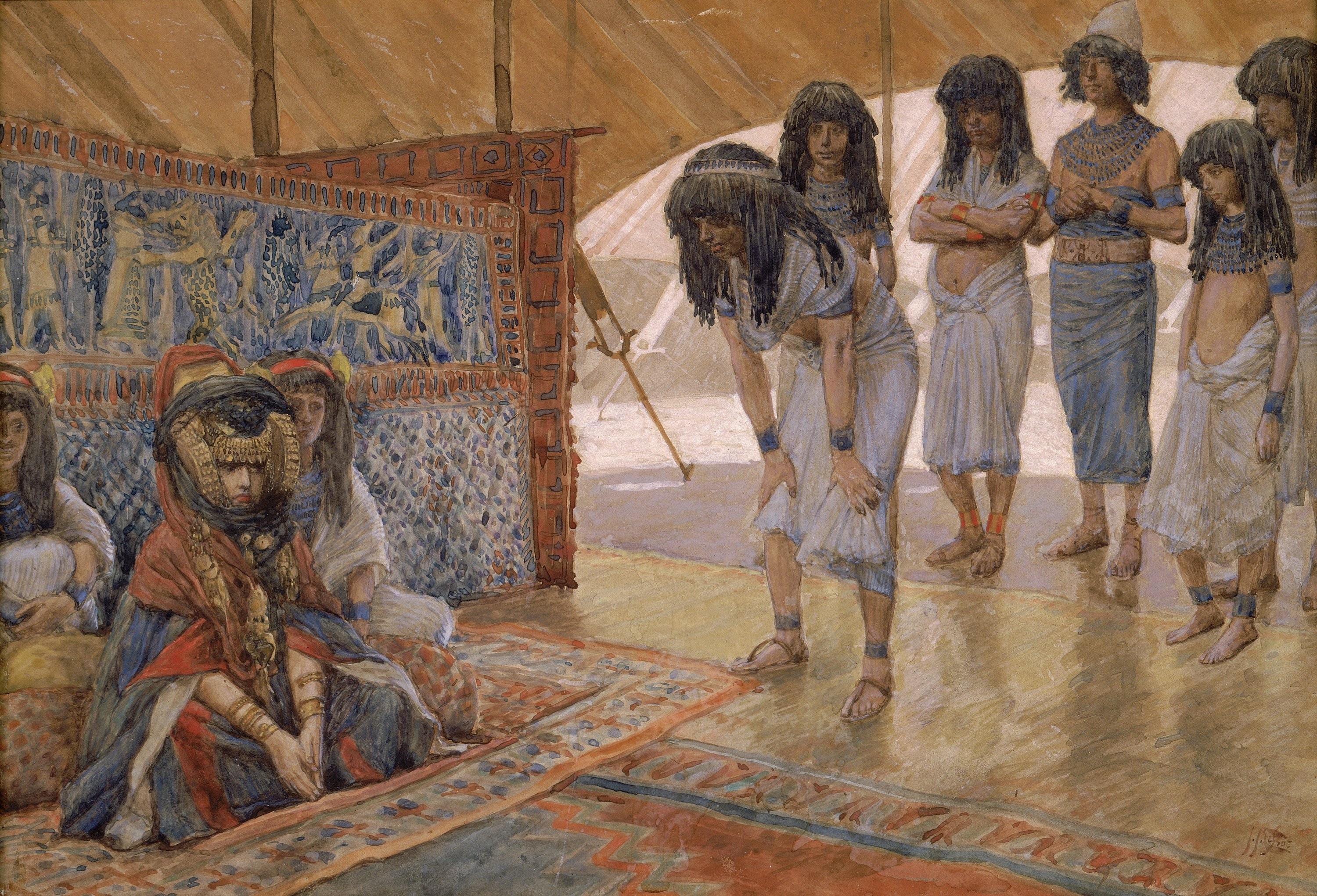
Was Sarah The Sis­ter of Abraham ?

Was Sarah real­ly Abra­ham’s sis­ter ? Ibn Hazm ques­tions the sta­tus of Sarah as being Abra­ham’s sis­ter, as accept­ing that viz., from the Bib­li­cal per­spec­tive would result in var­i­ous dis­agree­ments with oth­er pas­sages in the Old Tes­ta­ment con­cern­ing moral and the­o­log­i­cal issues. This is in ref­er­ence to the sto­ries of Sarah’s seizure by Pharaoh and Abime’­elech which was nar­rat­ed in Gen­e­sis 12:10 – 18 and Gen­e­sis 20, Gen­e­sis 17:17 and Gen­e­sis 20:1 – 18. We cite the relat­ed pas­sages on the sto­ry of the seizure of Sarah as follows.

What I Did Not Say And The Mis­sion­ary Myopia

There are those who say that lying and deceiv­ing is at the soul of all crime and that Chris­tian­i­ty epit­o­mizes these traits more than any oth­er faith. As proof of their asser­tion they often quote Paul of Tar­sus, arguably the true founder of Chris­tian­i­ty, who is record­ed to have said, But if through my false­hood God’s truth­ful­ness abounds to his glo­ry, why am I still being con­demned as a sin­ner ? Any why not do evil that good may come ? – as some peo­ple slan­der­ous­ly charge us with say­ing. Their con­dem­na­tion is just.” (Romans 3:7 – 8)

Quod licet Iovi, non licet bovi”: Why A Dif­fer­ent Yard­stick For Muslims ?

In the post‑9/​11 era the West­ern media are at the fore­front of a high­ly orches­trat­ed assault against Islam and its peo­ple. So, I am not too sur­prised with the Times Online piece try­ing to raise storm over some 13th cen­tu­ry text that are taught at a Shi’ite reli­gious school in Lon­don. The sub­ject in ques­tion is najasa or impu­ri­ty : what makes some­thing impure accord­ing to Muhaqqiq al-Hilli, a 13th cen­tu­ry Shi’ite schol­ar. The text says, The water left over in the con­tain­er after any type of ani­mal has drunk from it is con­sid­ered clean and pure apart from the left over of a dog, a pig, and a dis­be­liev­er.” So, the Times reporter Sean O’Connell draws the con­clu­sion that Mus­lim stu­dents are being taught to despise unbe­liev­ers as filth”, which becomes the news head­ing, sure to draw much pub­lic­i­ty in UK before the elec­tion in May.

The Three Dif­fer­ent Jesuses

(I) JESUS IN JUDAISM * LIFE : — Estab­lish­ing the time of the Jew­ish Jesus”: The ref­er­ence to Jesus in the Tal­mud is by the title : Yeshu Ha-Notzri,”…

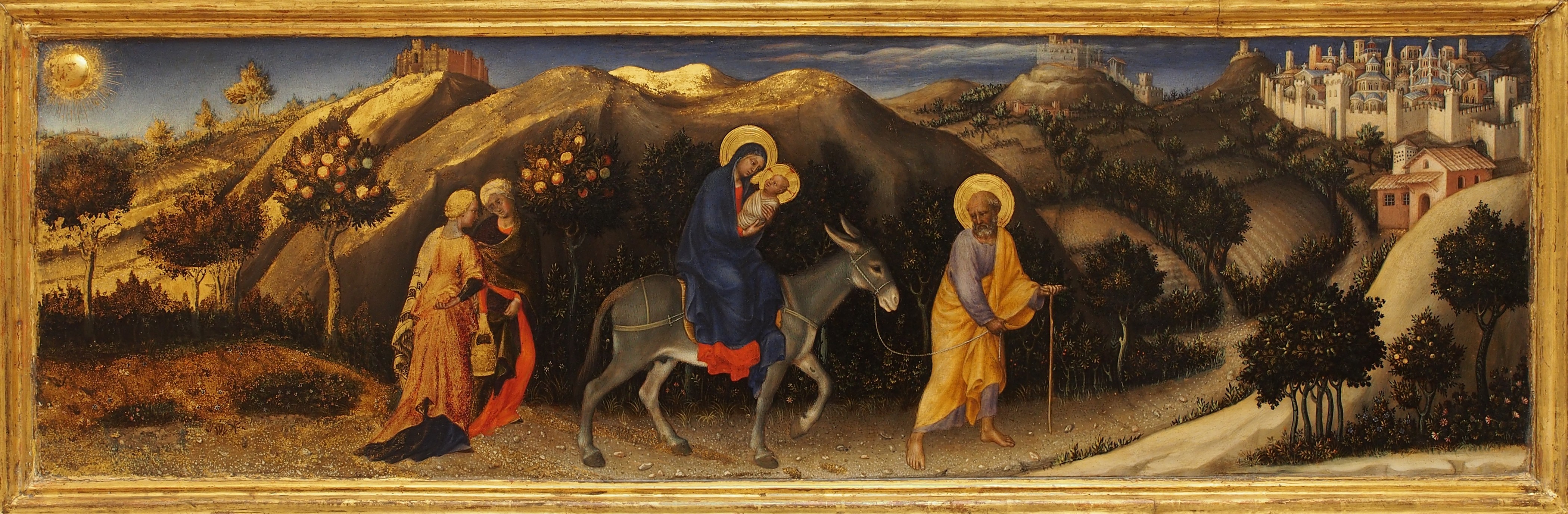
Did Jesus, Mary and Joseph go to Egypt or to Nazareth ?

In Matthew 2:14, we are told that Joseph took Mary and Jesus to Egypt : When he arose, he took the young child and his mother…

Of The Sun Set­ting In Murky Water : Qur’an­ic Com­men­tary on Sura’ Al-Kahf (18):86

Crit­ics of this verse should be aware that the Qur’an is not descrip­tive prose, and the words of the Qur’an is of high poet­i­cal elo­quence, some­thing which the Bible is not able to claim. Since the beau­ty of the Qur’an is in its poet­i­cal nature, there­fore it is only nat­ur­al that the Qur’an uses emphat­ic expres­sions to describe some­thing like a sun­set”. Keep in mind that the Qur’an is in poet­i­cal prose and is meant to be a chal­lenge to the pagan Arabs in Mec­ca who prid­ed them­selves as writ­ers of good poet­ry. Those neo­phytes who like to use this verse as a stick to beat Islam with should try to study the Ara­bi­an Lit­er­a­ture and His­to­ry of that peri­od before com­ing up with sil­ly conclusions.

Paul’s Depen­den­cy on Tal­mu­dic Writ­ings : Evi­dence of New Tes­ta­ment Borrowing

While Chris­tians would pre­fer to allude to the notion that Paul, the self-acclaimed apos­tle” of Jesus, was inspired” when he wrote his epis­tles, the evi­dences we have researched states oth­er­wise. We have seen how Paul had cit­ed a verse from the apoc­ryphal books of Eli­jah” but claimed that he was cit­ing from the book of Isa­iah. Appa­rant­ly this cit­ing of quo­ta­tions from apoc­ryphal or Rab­binic writ­ings was not alien to Paul, for in the epis­tles of Paul, there are abun­dant signs that he was extreme­ly famil­iar with Rab­ban­ic mate­r­i­al and con­stant­ly refers to them. This is not sur­pris­ing since Paul him­self had admit­ted to famil­iar­i­ty with Jew­ish tra­di­tions under the tute­lage of Gamaliel (Acts 22:3).

Lat­est articles

Did al-Zuṭṭ Ride Muham­mad ? A Crit­i­cal Philo­log­i­cal Reassess­ment of a Mod­ern Anti-Islam Polemic

This study dis­man­tles the al-zuṭṭ hadith polemic through close read­ing, lex­i­cog­ra­phy, and nar­ra­tive con­trol. By restor­ing con­text to yark­abūn, exam­in­ing trans­mis­sion vari­ants, and com­par­ing Semit­ic par­al­lels, it shows how innu­en­do trans­la­tion exploits pol­y­se­my, sup­press­es clo­sure, and man­u­fac­tures scan­dal with­out his­tor­i­cal war­rant with­in dis­ci­plined philol­o­gy and sober method­olog­i­cal lim­its alone here

State of Flux : Con­test­ed Doc­trines in Ear­ly Christianity

Ear­ly Chris­tian­i­ty lacked a sin­gle, uni­fied the­ol­o­gy. This arti­cle shows how lat­er ortho­doxy” emerged through his­tor­i­cal con­sol­i­da­tion rather than orig­i­nal consensus.

The Death of Muham­mad ﷺ : Poi­son, Prophet­hood, and the Mis­read­ing of Sources

The death of Muham­mad ﷺ exam­ined through Qur’anic lan­guage, hadith con­text, and his­to­ry, expos­ing how poi­son claims rely on mis­read­ing sources.