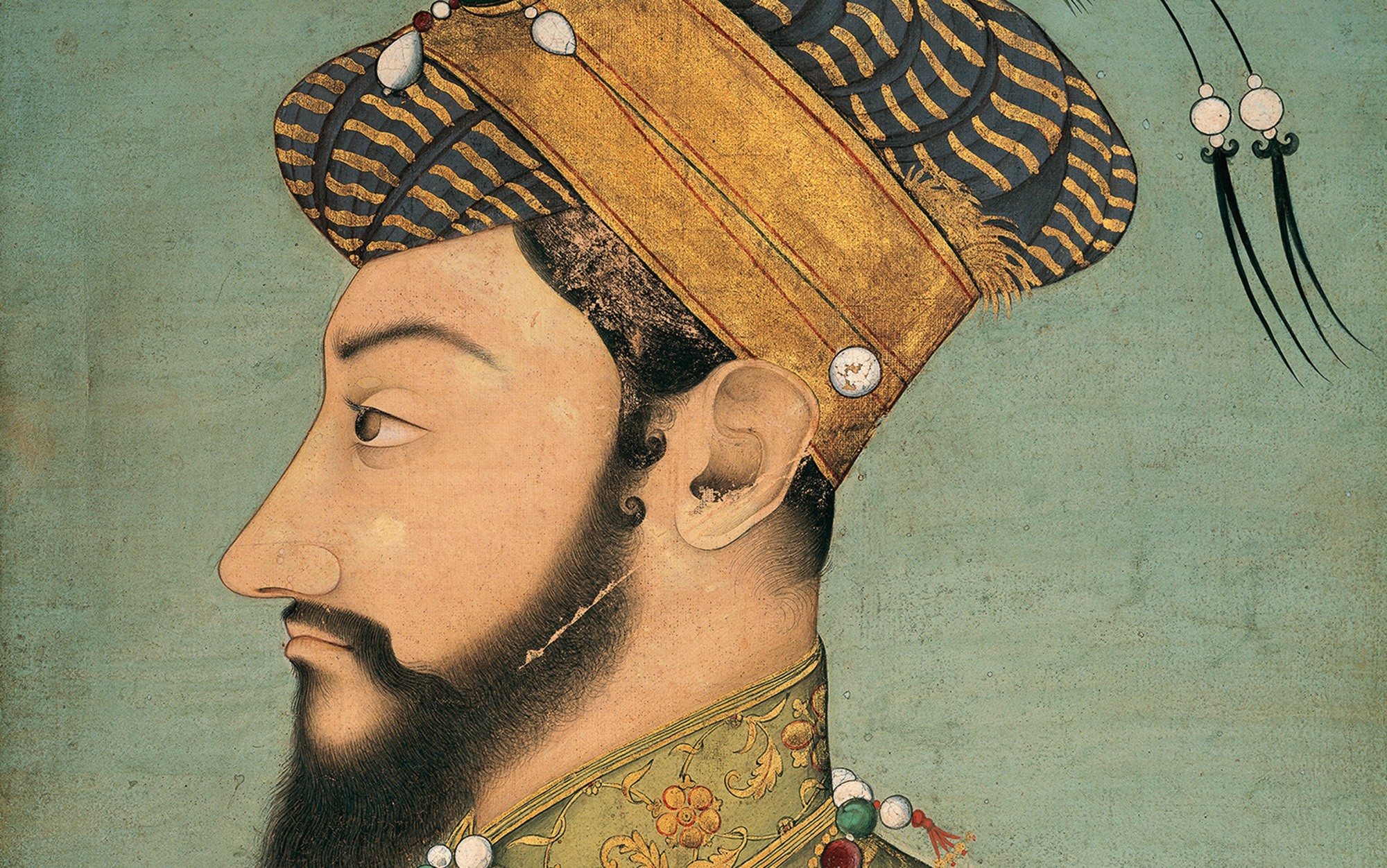
Tag : Aurangze­b’s administration

Mughal Emper­or Aurangzeb : Bad Ruler Or Bad History ?

Of all the Mus­lim rulers who ruled vast ter­ri­to­ries of India from 712 to 1857 CE, prob­a­bly no one has received as much con­dem­na­tion from West­ern and Hin­du writ­ers as Aurangzeb. He has been cas­ti­gat­ed as a reli­gious Mus­lim who was anti-Hin­du, who taxed them, who tried to con­vert them, who dis­crim­i­nat­ed against them in award­ing high admin­is­tra­tive posi­tions, and who inter­fered in their reli­gious mat­ters. This view has been heav­i­ly pro­mot­ed in the gov­ern­ment approved text­books in schools and col­leges across post-par­ti­tion India (i.e., after 1947). These are fab­ri­ca­tions against one of the best rulers of India who was pious, schol­ar­ly, saint­ly, unbi­ased, lib­er­al, mag­nan­i­mous, tol­er­ant, com­pe­tent, and far-sighted.

Lat­est articles

Did al-Zuṭṭ Ride Muham­mad ? A Crit­i­cal Philo­log­i­cal Reassess­ment of a Mod­ern Anti-Islam Polemic

This study dis­man­tles the al-zuṭṭ hadith polemic through close read­ing, lex­i­cog­ra­phy, and nar­ra­tive con­trol. By restor­ing con­text to yark­abūn, exam­in­ing trans­mis­sion vari­ants, and com­par­ing Semit­ic par­al­lels, it shows how innu­en­do trans­la­tion exploits pol­y­se­my, sup­press­es clo­sure, and man­u­fac­tures scan­dal with­out his­tor­i­cal war­rant with­in dis­ci­plined philol­o­gy and sober method­olog­i­cal lim­its alone here

State of Flux : Con­test­ed Doc­trines in Ear­ly Christianity

Ear­ly Chris­tian­i­ty lacked a sin­gle, uni­fied the­ol­o­gy. This arti­cle shows how lat­er ortho­doxy” emerged through his­tor­i­cal con­sol­i­da­tion rather than orig­i­nal consensus.

The Death of Muham­mad ﷺ : Poi­son, Prophet­hood, and the Mis­read­ing of Sources

The death of Muham­mad ﷺ exam­ined through Qur’anic lan­guage, hadith con­text, and his­to­ry, expos­ing how poi­son claims rely on mis­read­ing sources.