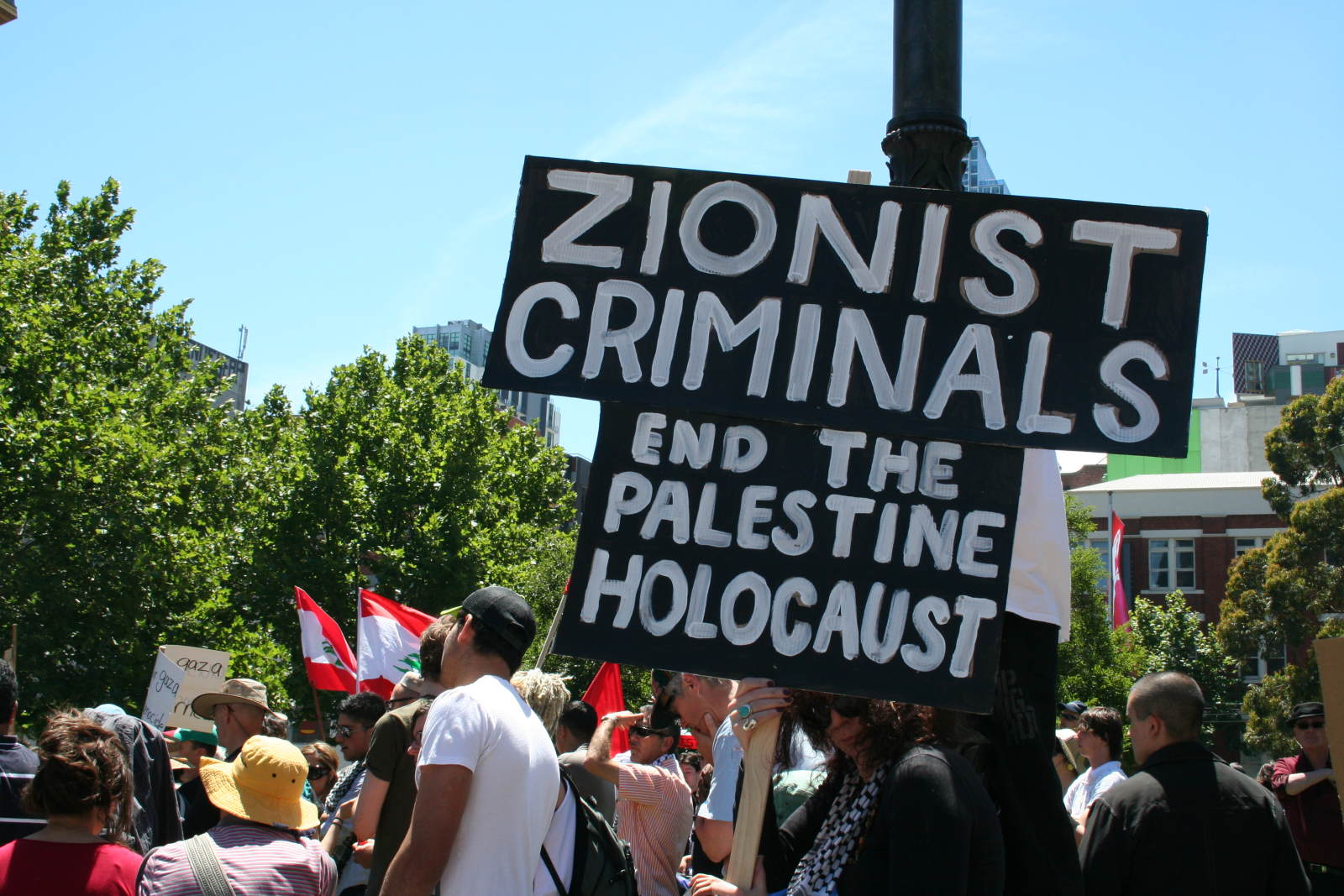
This article was written to provide a scholarly analysis on the ideology of Zionism, its origins and purpose, as well as its past “achievements” in having successfully displacing thousands of Palestinians who suddenly lost their homeland to this group of terrorists. We seek to confront and expose the true nature of the ideology of Zionism, often touted as “Jewish nationalism”. Can Zionism be equated with the Jews and Judaism ? Is Zionism wholly grounded on religious grounds as the Zionist themselves try to claim, or just another name for the secular and/or racist ideologies that we have seen in the last century in the likes of Nazism, Fascism and Apartheid ? These are the fruits of our research on the Israeli-Palestinian conflict, and we leave it to the reader to form their own conclusions and decide whether Zionism should be rightfully confronted and opposed, or otherwise.
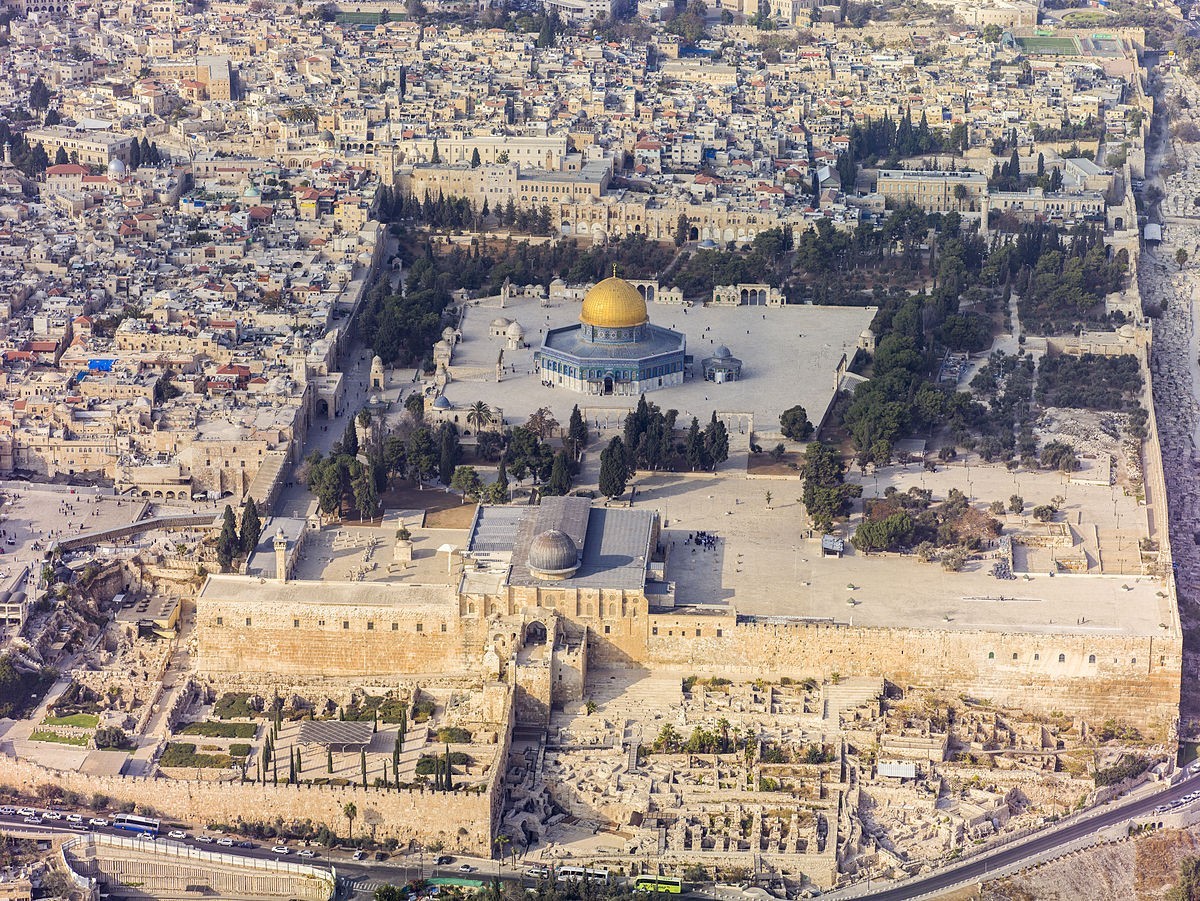
During the Mi’raj, the Prophet(P) is reported to have received from God the command of five daily prayers (salah) that all Muslims must perform. Upon his return to Mecca, the Prophet instituted these prayers. It is significant to note that he made Jerusalem the direction (al-Qiblah) which Muslims must face while doing their prayers (narrated by al-Bukhari, 41 and by Muslim, 525). Jerusalem is thus called Ula al-Qiblatain (the first qiblah). The Prophet (P) and the early community of Islam worshipped towards the direction of Jerusalem during their stay in Mecca. After the Hijra’ (migration), Muslims in Medina also continued to pray facing Jerusalem for almost seventeen months until God commanded the Muslims to change their direction of prayer from Jerusalem to Mecca (Qur’an 2:142 – 150). These established facts clearly signifies the importance of Jerusalem in Islam.
This study dismantles the al-zuṭṭ hadith polemic through close reading, lexicography, and narrative control. By restoring context to yarkabūn, examining transmission variants, and comparing Semitic parallels, it shows how innuendo translation exploits polysemy, suppresses closure, and manufactures scandal without historical warrant within disciplined philology and sober methodological limits alone here
Early Christianity lacked a single, unified theology. This article shows how later “orthodoxy” emerged through historical consolidation rather than original consensus.
The death of Muhammad ﷺ examined through Qur’anic language, hadith context, and history, exposing how poison claims rely on misreading sources.