Women In Islam

The Hijab and The Mus­lim Woman

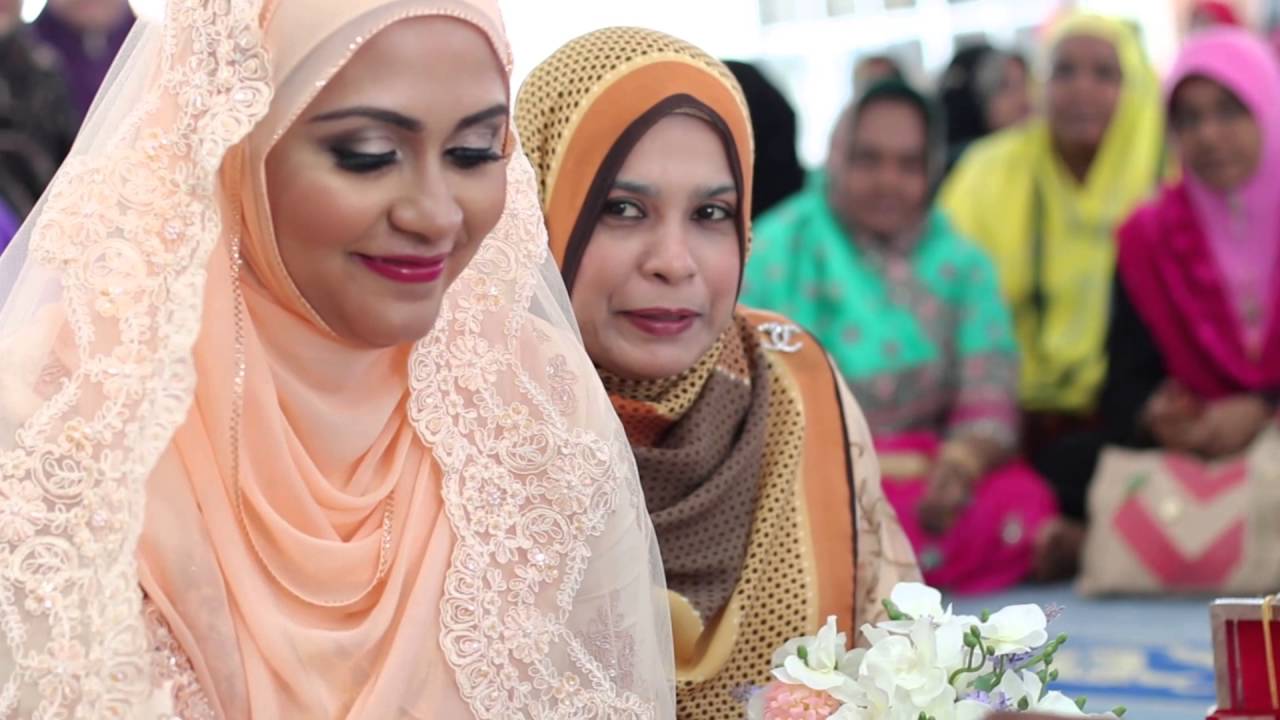
The Islam­ic revival sym­bol­ized by the cur­rent resur­gence of the hijab is often con­sid­ered as an attempt of Arab Mus­lims to restore their pride and iden­ti­ty which have been repeat­ed­ly under­mined by col­o­niza­tion and eco­nom­ic retar­da­tion. Man has always had a con­ser­v­a­tive ten­den­cy and reacts against which is new and unfa­mil­iar with­out real­iz­ing whether it is good or bad for him. Some peo­ple still think the Mus­lim women insist on wear­ing hijab which is the very sym­bol of the oppressed sit­u­a­tion because they are enslaved by the tra­di­tion and are not suf­fi­cient­ly aware of their lam­en­ta­ble sit­u­a­tion. If only”, they prob­a­bly think, the move­ment of the wom­en’s lib­er­a­tion and inde­pen­dence awakes those wom­en’s mind, they will take away the hijab.”

In This Category

Are Women Equal to Dogs and Donkeys ?

Recent­ly a Chris­t­ian mis­sion­ary by the name of Lazarus” pub­lished the results of an e‑mail dia­logue with a mis­lead­ing title of Is Islam Women-Friendly?”.…

The Issue On Inher­i­tance For Women

Inher­i­tance deals close­ly with the dis­tri­b­u­tion of wealth, i.e. deal­ing with the trans­fer of the prop­er­ty of the deceased to the descen­dants. In most of the ear­ly soci­eties in ancient civil­i­sa­tion, the right to inher­it the deceased prop­er­ties is often giv­en to the eldest son and male rel­a­tives. Female rel­a­tives are giv­en less­er right to inher­it, and most of the time their right is denied.

Women and Divorce From The Islam­ic Perspective

The posi­tion of women in an Islam­ic mar­riage insti­tu­tion has always been a ques­tion among the crit­ics out­side Mus­lim world. Islam is accused for not giv­ing the fair right to women as com­pared to their hus­bands, and this include in the mat­ter of divorce.

A Com­par­i­son of Women in the Qur’an and the Bible

Chris­tians claim that the cur­rent equal­i­ty of women now enjoyed by Chris­t­ian women came from the Bible, and that Islam is cru­el towards women.…

The Injunc­tion of Wear­ing the Hijab in Islam : An Answer to the Critics

Over the years, the dress code among Mus­lim women has been giv­en great atten­tion, espe­cial­ly in rela­tion to the hijab (head cov­er­ing) prac­tice in which is con­sid­ered as a sym­bol of oppres­sion” towards Mus­lim women. While Islam is cer­tain­ly not the only reli­gion to intro­duce the prac­tice of cov­er­ing head, it con­tin­ues to be the cen­tre of attack and heav­i­ly dis­cussed as the wom­en’s right issue espe­cial­ly out­side Mus­lim world.

The Posi­tion of Women in Islam

West­ern igno­rance of the World of Islam is almost total, but if there is one area above all oth­ers where the vac­u­um of knowl­edge has been most effec­tive­ly filled with mis­in­for­ma­tion, it is that sur­round­ing the role of women in Islam.

Women In Islam

There is no aspect of Islam more wide­ly mis­un­der­stood than the role and sta­tus of its women. The pop­u­lar view com­bines the fan­ta­sy of…

Lat­est articles

Did al-Zuṭṭ Ride Muham­mad ? A Crit­i­cal Philo­log­i­cal Reassess­ment of a Mod­ern Anti-Islam Polemic

This study dis­man­tles the al-zuṭṭ hadith polemic through close read­ing, lex­i­cog­ra­phy, and nar­ra­tive con­trol. By restor­ing con­text to yark­abūn, exam­in­ing trans­mis­sion vari­ants, and com­par­ing Semit­ic par­al­lels, it shows how innu­en­do trans­la­tion exploits pol­y­se­my, sup­press­es clo­sure, and man­u­fac­tures scan­dal with­out his­tor­i­cal war­rant with­in dis­ci­plined philol­o­gy and sober method­olog­i­cal lim­its alone here

State of Flux : Con­test­ed Doc­trines in Ear­ly Christianity

Ear­ly Chris­tian­i­ty lacked a sin­gle, uni­fied the­ol­o­gy. This arti­cle shows how lat­er ortho­doxy” emerged through his­tor­i­cal con­sol­i­da­tion rather than orig­i­nal consensus.

The Death of Muham­mad ﷺ : Poi­son, Prophet­hood, and the Mis­read­ing of Sources

The death of Muham­mad ﷺ exam­ined through Qur’anic lan­guage, hadith con­text, and his­to­ry, expos­ing how poi­son claims rely on mis­read­ing sources.