A special “gift” for the Christian missionaries on occasion of Good Friday. I wish to show by an analysis of Wisdom Christology in Matthew’s gospel chapter 23, that the evangelist took the dramatic step of changing Jesus’ metaphysical status from creature to Creator by altering the Q tradition, and to reflect on the theological implications of this metamorphosis for Christianity, and where we go from here.
There are those who say that lying and deceiving is at the soul of all crime and that Christianity epitomizes these traits more than any other faith. As proof of their assertion they often quote Paul of Tarsus, arguably the true founder of Christianity, who is recorded to have said, “But if through my falsehood God’s truthfulness abounds to his glory, why am I still being condemned as a sinner ? Any why not do evil that good may come ? – as some people slanderously charge us with saying. Their condemnation is just.” (Romans 3:7 – 8)
The missionaries have published an article claiming that there is no significance between the holy city of Al-Quds (Jerusalem) with Islam, while at the same time displaying their Zionist tendencies. We republish an article from Israeli Watch which rebuts their fatuous claims and cements the relationship between Islam and Al-Quds.
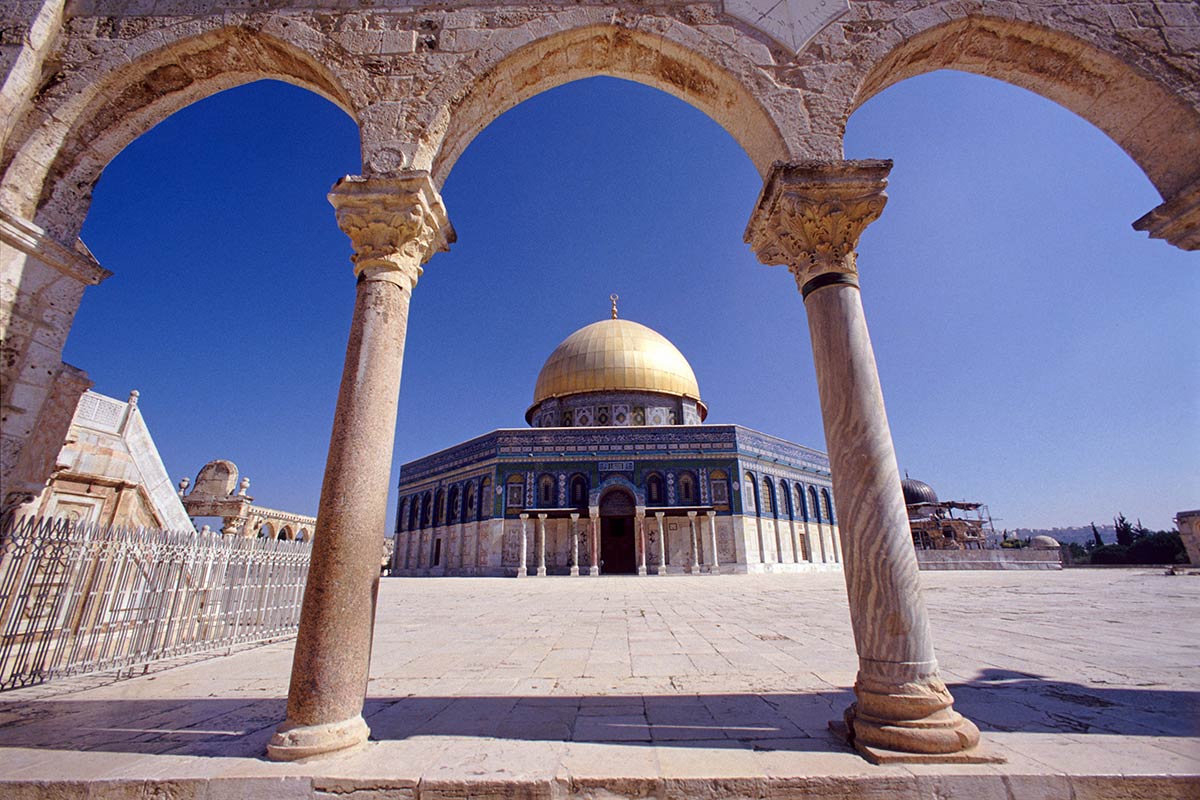
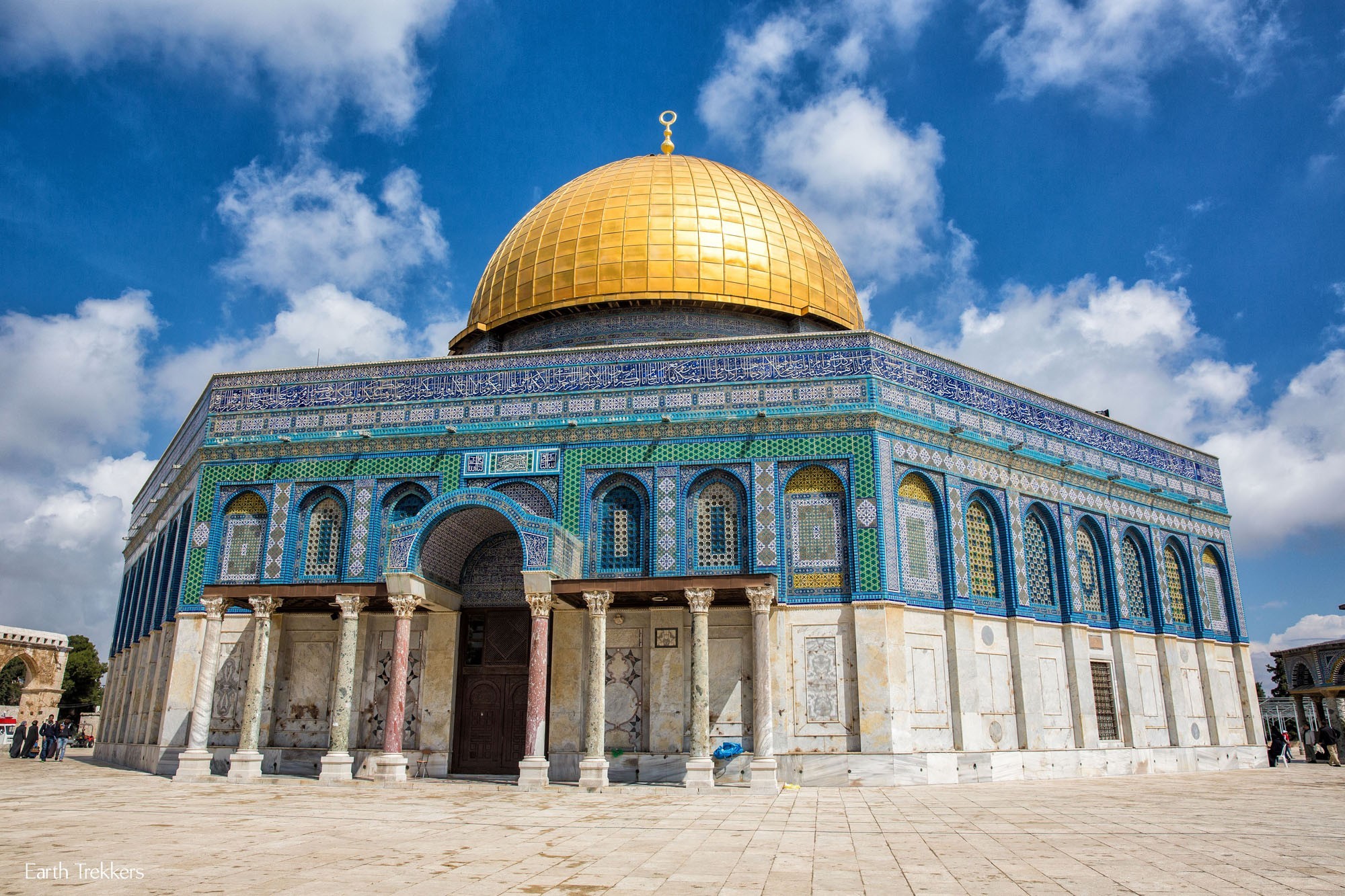
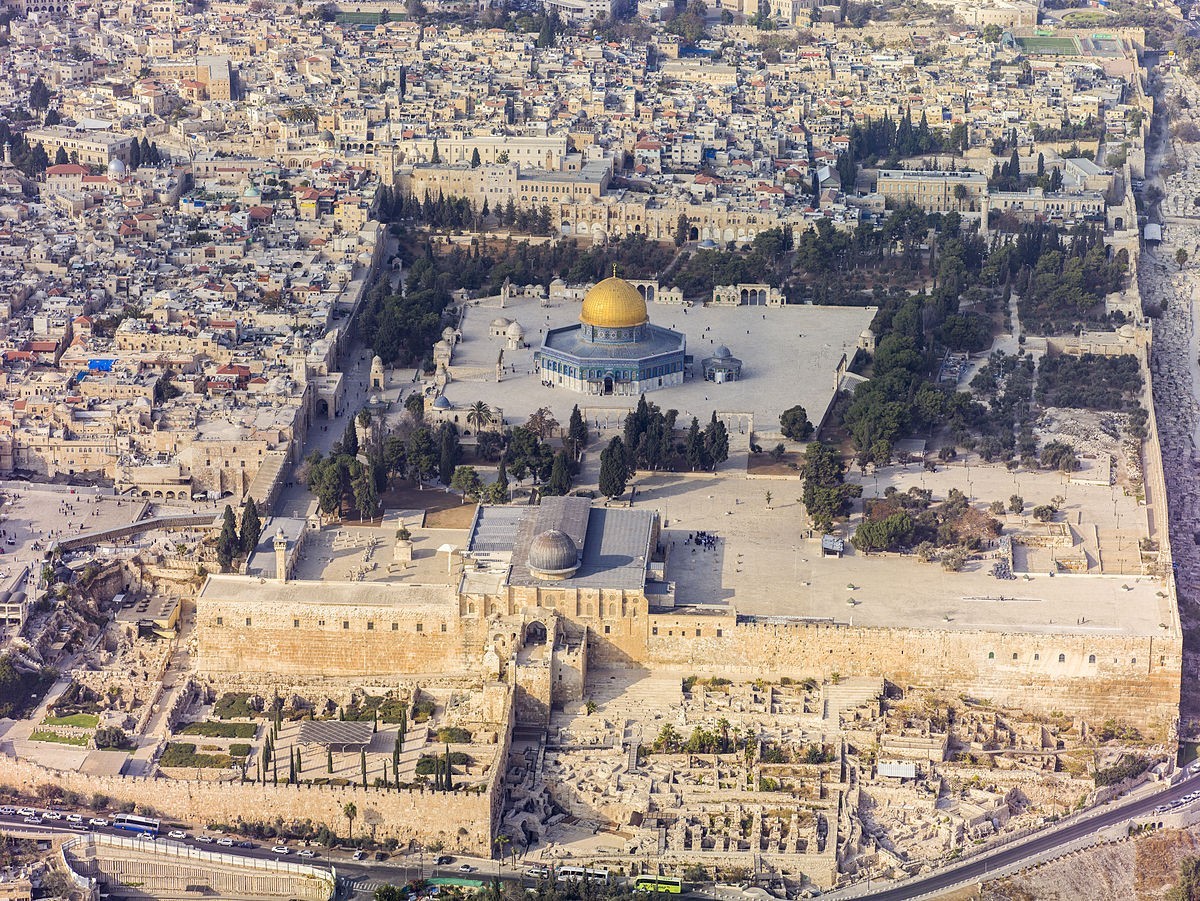
The most universally recognized symbol of Jerusalem is not a Jewish or Christian holy place but a Muslim one : the Dome of the Rock, or Qubbat as-Sakhra as it is known in Arabic. When people see its golden dome rising above the open expanse of Haram as-Shareef, they think of only one place in the world. The Dome of the Rock is undoubtedly one of the most celebrated and most remarkable monuments of early Islam, visited every year by thousands of pilgrims and tourists. It is Jerusalem’s answer to Paris’ Eiffel Tower, Rome’s St. Peter’s Square, London’s Big Ben and Kuala Lumpur’s Petronas twin towers ; dazzling the minds of Muslims and non-Muslims alike. The Dome of the Rock is Jerusalem.
During the Mi’raj, the Prophet(P) is reported to have received from God the command of five daily prayers (salah) that all Muslims must perform. Upon his return to Mecca, the Prophet instituted these prayers. It is significant to note that he made Jerusalem the direction (al-Qiblah) which Muslims must face while doing their prayers (narrated by al-Bukhari, 41 and by Muslim, 525). Jerusalem is thus called Ula al-Qiblatain (the first qiblah). The Prophet (P) and the early community of Islam worshipped towards the direction of Jerusalem during their stay in Mecca. After the Hijra’ (migration), Muslims in Medina also continued to pray facing Jerusalem for almost seventeen months until God commanded the Muslims to change their direction of prayer from Jerusalem to Mecca (Qur’an 2:142 – 150). These established facts clearly signifies the importance of Jerusalem in Islam.
It is well known that the Gospel of Mark contains numerous geographical errors. This is summed up in Kümmel’s classic, Introduction to the New…
In the article Historical Errors in the Qur’an ? I briefly touched upon the events mentioned in the Gospel of Matthew surrounding the crucifixion of…
When the Evangelist becomes a Shaikh, the angels become polytheists, worshipping Adam instead of Allah. When the Evangelist becomes a Shaikh, the Nasikh becomes Mansukh, the Mutlaq becomes Muqayyad and the ‘Aamm becomes Makhsus, and vice-versa. Not that it is not hilarious to read for Evangelists-turned-Shaikhs. It is at the discovery of the level of horrific confusion and plain errors contained in the “fatawa” of the many Evangelists/Shaikhs who sprung up in recent years that intensifies one’s amazement and bafflement, especially noting the level of publicity the writings of the new Shaikhs receive in the western media.
From Muhammad Asad’s commentary, The Message of The Qur’an Surah 17 (Al-Isra’), verse 1 reads as : “Limitless in His glory is He who transported His servant…
This study dismantles the al-zuṭṭ hadith polemic through close reading, lexicography, and narrative control. By restoring context to yarkabūn, examining transmission variants, and comparing Semitic parallels, it shows how innuendo translation exploits polysemy, suppresses closure, and manufactures scandal without historical warrant within disciplined philology and sober methodological limits alone here
Early Christianity lacked a single, unified theology. This article shows how later “orthodoxy” emerged through historical consolidation rather than original consensus.
The death of Muhammad ﷺ examined through Qur’anic language, hadith context, and history, exposing how poison claims rely on misreading sources.