So which is the correct Gospel account concerning the choice of Jesus’ first apostles ? The following Bible contradiction was extracted from an unpublished thesis entitled Ibn Hazm On The Doctrine of Tahrif which cites Kitab al-Fasl fi al-Milal wa al-Ahwa’ wa al-Nihal and insha’allah this will be part of an ongoing series to reproduce extracts of Ibn Hazm’s criticisms of the Bible and Christianity.
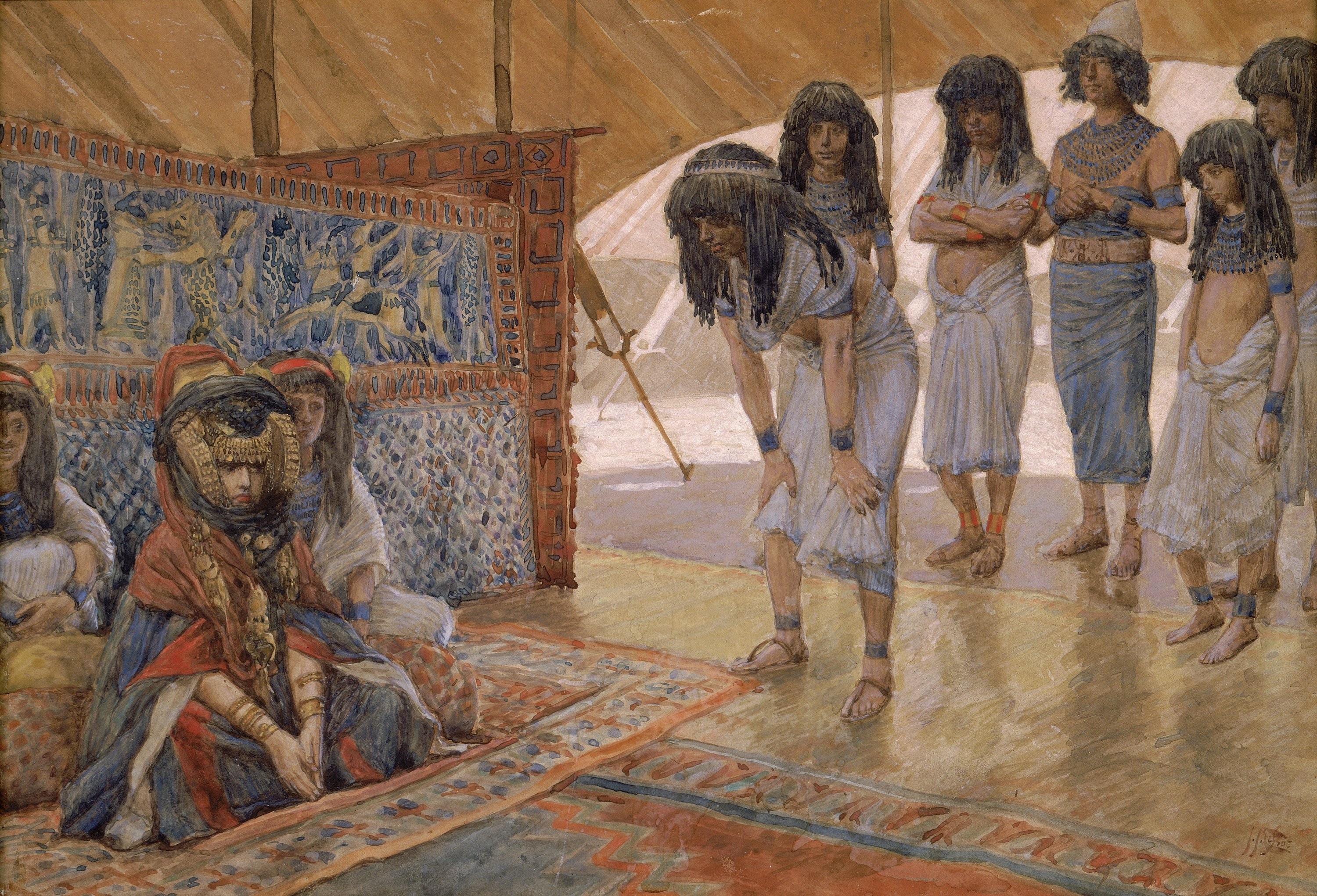
Was Sarah really Abraham’s sister ? Ibn Hazm questions the status of Sarah as being Abraham’s sister, as accepting that viz., from the Biblical perspective would result in various disagreements with other passages in the Old Testament concerning moral and theological issues. This is in reference to the stories of Sarah’s seizure by Pharaoh and Abime’elech which was narrated in Genesis 12:10 – 18 and Genesis 20, Genesis 17:17 and Genesis 20:1 – 18. We cite the related passages on the story of the seizure of Sarah as follows.
Does God change or does not change His mind ? According to Ibn Hazm, Exodus 32:10 – 14 and 33:3 – 14 ascribes al-bada’ (changing of mind) to God and hence this presents a problem to the nature of God and His characters with regard to His All-Knowing attribute. When one compares the above passages side by side, the internal contradictions between especially Exodus 32:10, 32:14 and 33:2 – 3 on the one hand and Exodus 33:14 on the other, clearly raises many problems of theological and moral concern from the Biblical context. In this case that was quoted above, in spite of God’s determination to punish the Israelites for their idolatrous conduct, He did not execute punishment due to the intercession of Moses who had “reminded” God of His promise made with Abraham and the patriachs for their descendents. This Biblical passage seems to implicitly suggest that this “reminder” had made God realise his “wrong” decision and have Him repenting for it. Such an obvious “error” or even to imply such a thing is hardly befitting any person of integrity, let alone God, the Almighty.
This study dismantles the al-zuṭṭ hadith polemic through close reading, lexicography, and narrative control. By restoring context to yarkabūn, examining transmission variants, and comparing Semitic parallels, it shows how innuendo translation exploits polysemy, suppresses closure, and manufactures scandal without historical warrant within disciplined philology and sober methodological limits alone here
Early Christianity lacked a single, unified theology. This article shows how later “orthodoxy” emerged through historical consolidation rather than original consensus.
The death of Muhammad ﷺ examined through Qur’anic language, hadith context, and history, exposing how poison claims rely on misreading sources.